
Blog
Articles on relationships, family and wellbeing.
 Holding Your Partner in Contempt
What does this look like and how it affects your relationship. Holding your partner in contempt creates a lot of conflict, disrespect and criticism. Contempt causes disconnection in communication, and your physical and emotional connection. It shuts down your partner and destroys their self worth. W...
 Shame in Relationships
How does shame affect connection in relationships? Connection is about acceptance and feeling emotionally safe with the other person enough to be vulnerable and to be yourself with that person without fear of rejection. So what does shame do to that connection? Shame says “You’re not good enough.” S...
 Emotional Detachment in Relationships
What does this look like? You start off as best friends laughing together, enjoying each other’s company, cuddling and sharing your day with each other. As the years go on, there’s now children and less time to spend together. Slowly the laughing drops off, you no longer have dinner together, or spe...
 How do triggers affect relationships and what are triggers?
Triggers are past events we bring into our present. Generally speaking, the root of a trigger can start in our childhood, caused by a parent/s, family member or family friend, from years in school such us bullying from peers or Teachers. Triggers can also come from past abusive relationships based o...
 Love & Security
Behaviour from both parties has a lot to do with the relationship flowing, becoming “stuck” or falling apart. What do I mean by this? When both parties feel loved and supported in the relationship, they are confident, happy, and even independent. They feel the confidence to be themselves, career dri...
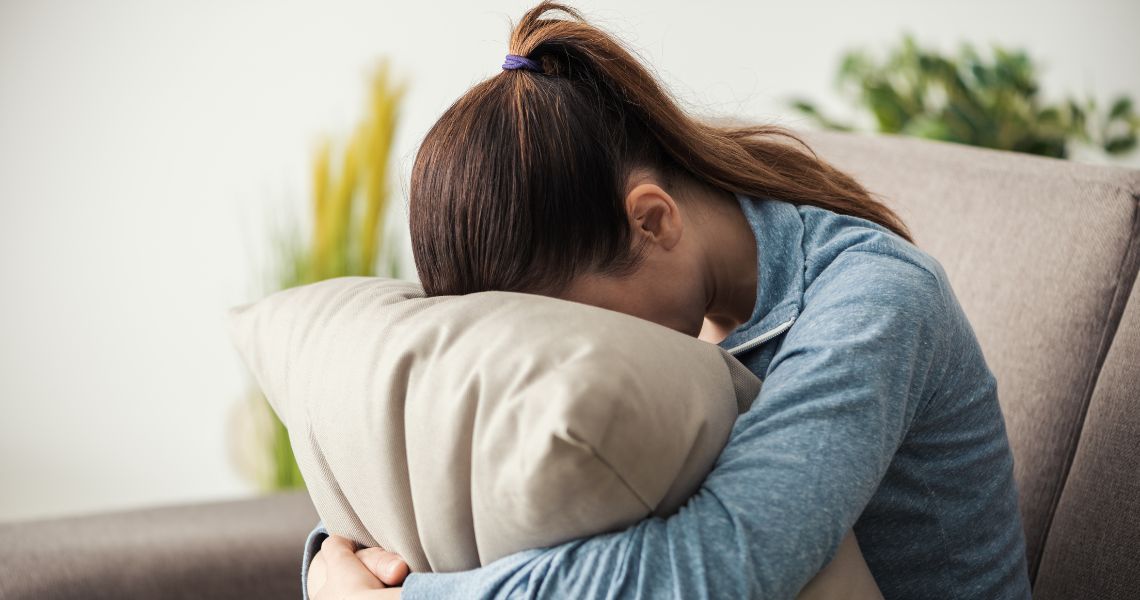 Narcissism/Gaslighting in Relationships
Narcissists have no self-reflection or empathy. What this means is they don’t reflect on how their behaviour affects others because there is no empathy. Narcissist’s know what empathy looks like and therefore they can imitate empathy, however, it is not consistant nor genuine. They appear to show em...
 Reactive Abuse in Relationships
Reactive abuse occurs in long term abusive relationships. The victim reaches breaking point inside and lashes out with pushing, hair pulling, raging, or punching. This is after a sustained period of gaslighting, emotional, psychological, coercive, or sexually or physical abuse. This is not violence...
 Fear In Relationships
Fear can play an active part in any relationship, causing conflict, disrespect, contempt, jealousy, control, causing each other to walk away. Aggression can disguise the fear of not being enough to your partner. The fear you can’t provide for your family. It can be the fear of change. The fear of ha...
 What makes a healthy relationship?
To start with slow to anger, slow to speak and quick to forgive. What this looks like is, instead of getting angry because something hasn’t gone your way, you’ve had a bad day at work, the kids are fighting, the house is a mess because the kids haven’t followed through with instructions from you, et...
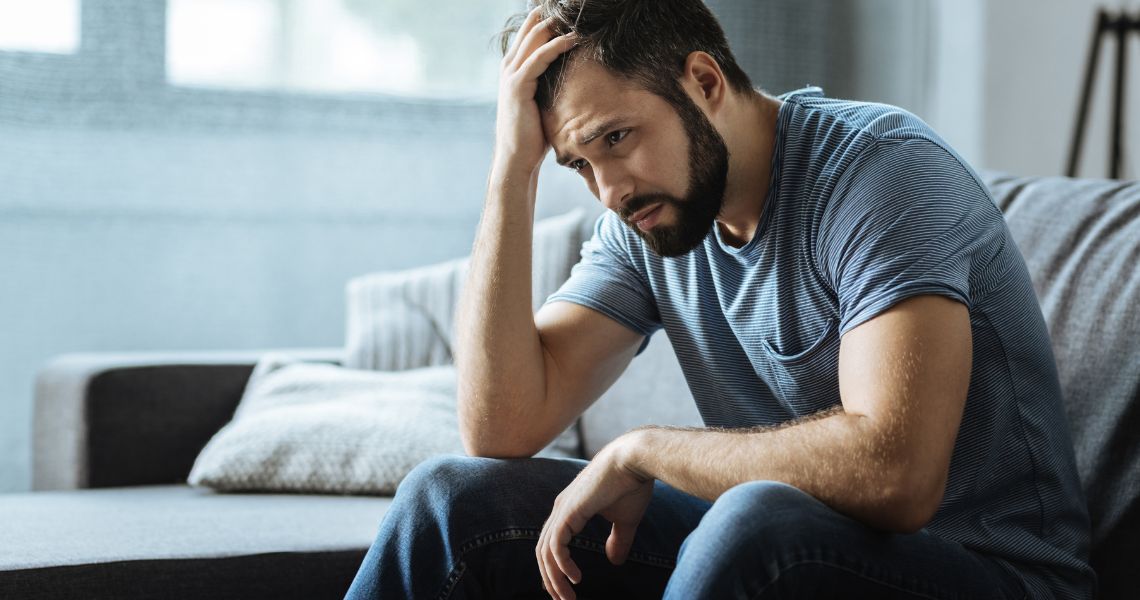 What makes a man feel devalued in a relationship?
Criticism. Disrespect. Shaming. Not feeling heard. Not feeling valued. Being made to feel he doesn’t matter. Being undermined in the relationship. Not asking for his opinion. Seeking another man’s attention. Pushing him away instead of seeking his affection. Not feeling desired. Feeling nagged. Men...
 Trauma Bonds
What is trauma bonding? Trauma bonding takes place in abusive relationships. Abuse isn’t always physical and quite often there is no physical abuse which is why a person may not recognise their relationship as abusive or toxic. A trauma bond isn’t only in romantic relationships. A trauma bond can ta...
 Relationships & Communication
Have you considered the way you speak to each other? Do you speak to strangers or work colleagues the same way? Have you noticed your partner pulling away emotionally and physically? Have you considered it could be the way you speak to your partner? Has your partner communicated they don’t like the...